Fruits Mango Typeface: A Playful Script for Handmade Brands
I was staring at a blank canvas, trying to design a label for my new line of hand-poured soy candles. The scent was tropical—mango and coconut—and I needed typography that felt just as fresh and inviting. That’s when I pulled Fruits Mango into my design software. It wasn’t just another script font; it had this bouncy, handwritten personality that immediately made the candle feel like a summer vacation in a jar.
If you are a crafter, Etsy seller, or printable creator looking to add a touch of warmth and fun to your shop, Fruits Mango is worth a closer look. This script font isn’t just decorative; it’s functional enough for real-world production while maintaining that artisanal charm that customers love. Here is how it performed when I tested it on everything from sticker sheets to product packaging.
Visual Personality and Creative Appeal
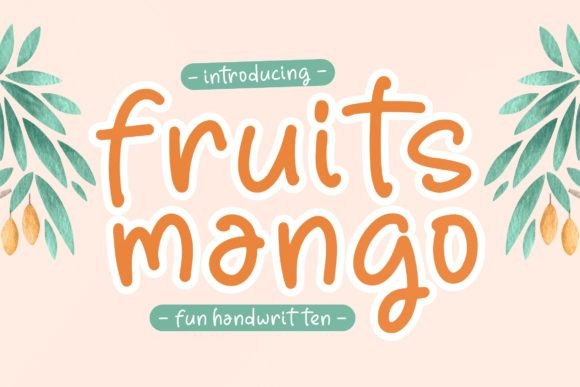
Fruits Mango describes itself as a fun handwritten font, and it delivers exactly that. Visually, it sits somewhere between a casual note and a polished logo typeface. The letters have slight irregularities that mimic natural handwriting, giving your designs an authentic, human touch. Unlike rigid calligraphy fonts that can feel stiff or overly formal, Fruits Mango feels relaxed and approachable.
The typeface has a moderate x-height, which means the lowercase letters are tall relative to their caps. This makes it surprisingly readable even at smaller sizes, a crucial detail for crafters who need to fit text onto small boutique tags or tiny sticker labels. The curves are soft, avoiding sharp angles, which adds to its friendly vibe. When I used it for a "Happy Birthday" greeting card mockup, the font instantly softened the overall aesthetic, making the invitation feel personal rather than mass-produced.
This font excels in projects where emotional connection matters. Whether you are designing homeware items, product packaging, or social media graphics, Fruits Mango brings a sense of joy and creativity. It pairs beautifully with earthy tones, pastels, and vibrant summer colors, enhancing the visual appeal without overpowering the imagery.
Real-World Applications for Makers
In my testing, Fruits Mango proved versatile across several key categories for handmade businesses. Here is how it held up in practical scenarios:
- Product Labels and Stickers: I used the font for circular labels on mugs and square stickers for gift boxes. Because of its clear letterforms, it remained legible even when scaled down. It worked perfectly for short phrases like "Handmade with Love" or product names.
- Greeting Cards and Invitations: For a set of wedding welcome signs, Fruits Mango provided the perfect balance of elegance and fun. It wasn’t too fussy for a formal event but added enough character to stand out against simpler sans serif body text.
- Apparel and Tote Bags: When preparing designs for t-shirts and shopping bags, the font’s bold strokes ensured it would survive the printing process. Whether using heat transfer vinyl (HTV) for Cricut users or screen printing, the lines were clean and distinct.
- Digital Printables: I created a set of planner pages and wall art featuring quotes. The font looked crisp on digital previews and printed sharply on standard home printers. It added a pop of personality to otherwise minimalist layouts.
One specific win was using Fruits Mango for seasonal products. During the holiday season, I designed tags for gift baskets. The font’s festive yet casual nature made the gifts feel thoughtfully curated. It also worked well for book covers, adding a creative flair that attracted attention in online thumbnails.
Readability and Production Considerations
While Fruits Mango is charming, every font has its limits, especially in commercial production. As a maker, I learned quickly where this font shines and where it might cause issues.
Best Uses:
- Short Phrases and Titles: Use Fruits Mango for headlines, logos, brand names, and decorative wording. Its impact is highest when the text is concise.
- Display Text: It works wonderfully for large-format designs like posters, banners, and hero images on packaging.
- Accents: Use it sparingly within a larger layout to highlight key words or add a signature touch.
Limits to Keep in Mind:
Fruits Mango is not ideal for long paragraphs or dense information. If you are designing a product instruction label with safety warnings or care instructions, this font will become difficult to read at small sizes. Similarly, for very tiny cuts on delicate jewelry tags, the details might get lost. In these cases, pair Fruits Mango with a clean sans serif font or a simple serif font for the body text. This combination maintains readability while keeping the brand identity strong.
When preparing files for cutting machines like Silhouette or Cricut, ensure you expand outlines and check kerning. Handwritten fonts can sometimes have overlapping letters that cause cutting errors if not properly spaced. I found that increasing the spacing slightly improved the final cut quality on vinyl stickers.
Font Pairing and Brand Consistency
To create a cohesive brand identity, pairing Fruits Mango with complementary typefaces is essential. Since it is a creative font with strong personality, it needs a calm partner to balance the design.
A clean sans serif font is the safest and most effective pairing. Think of fonts like Montserrat, Lato, or Open Sans. These provide a neutral backdrop that allows Fruits Mango to take center stage. This combination is perfect for modern branding, ensuring your shop looks professional yet approachable.
For a more editorial or sophisticated look, consider pairing it with a light serif font. This works well for high-end stationery, luxury packaging, or boutique web design. The contrast between the structured serifs and the loose script creates visual interest and elevates the perceived value of your products.
Consistency is key for customer recognition. Stick to one primary font for headings and one secondary font for body text across all your materials—from your Etsy listing images to your physical packaging. Using Fruits Mango consistently helps build a memorable brand voice that customers can identify instantly.
Technical Details and Licensing
Before purchasing, always review the technical specifications included with the font. Check for available weights, alternates, ligatures, and swashes. These features can add variety to your designs without needing multiple fonts. For example, alternate characters might offer different ways to write certain letters, allowing for more unique logo designs.
Ensure the file formats meet your needs. Most designers require OTF and TTF files for desktop publishing, while SVG support is beneficial for vector-based cutting machines. Also, verify multilingual support if you plan to sell internationally.
Most importantly, understand the licensing terms. If you are selling physical products like mugs, shirts, or tote bags, you typically need a commercial license. Some fonts allow single-use licenses per product, while others offer unlimited usage for a higher fee. Always read the fine print to avoid legal issues and protect your business.
Fruits Mango is a delightful addition to any designer’s toolkit. Its playful spirit and practical readability make it suitable for a wide range of handmade projects. Whether you are crafting labels, designing invitations, or building a brand identity, this font adds a layer of warmth and personality that resonates with customers. By using it wisely and pairing it effectively, you can create products that not only look beautiful but also tell a compelling story.