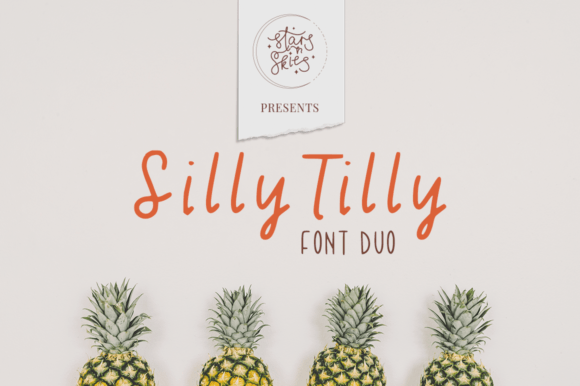
Silly Tilly: The Cheeky Script Font for Handmade Labels and Invitations
As a creator who spends hours designing stickers, cutting vinyl for mugs, and formatting digital printables, I know that typography is often the difference between a good product and one that sells out. It’s not just about picking a pretty shape; it’s about finding a voice that speaks to your customer before they even read the text. That is exactly why Silly Tilly has become a staple in my design toolkit. This fun and cheeky handwritten and script font duo brings an immediate sense of personality and warmth to any project. Whether you are crafting boutique tags, designing wedding stationery, or creating social media graphics for your small business, Silly Tilly offers the perfect blend of charm and readability.
Why Silly Tilly Fits the Modern Maker Aesthetic
In the world of handmade goods, authenticity is everything. Customers want to feel like there is a human behind the brand. A rigid, corporate sans serif can sometimes feel too sterile for products like candle labels or greeting cards. Silly Tilly solves this problem by offering a handwritten font style that feels personal without looking messy. Its visual personality is light, airy, and slightly playful, which makes it ideal for brands that want to appear approachable and friendly.
The term "font duo" is important here. Typically, this means the package includes both a primary script style and a complementary handwritten or casual typeface. This versatility allows you to create hierarchy in your designs. You might use the more flowing script elements for decorative wording or titles, while using the simpler handwritten components for shorter phrases or names. This combination helps maintain a cohesive brand identity across different mediums, from physical packaging to web design assets.
Practical Applications for Physical Products
One of the most common questions I get from fellow sellers is how to make their product lines look professional yet unique. Silly Tilly excels in applications where space is limited but impact needs to be high. Here are some specific ways I have used this creative font in my own shop:
- Candle and Soap Labels: When designing labels for soy candles or artisanal soaps, you need a font that stands out on a shelf but doesn’t overpower the imagery. Silly Tilly works beautifully as a header for the scent name or brand logo. Its cheeky nature adds a touch of humor that resonates with gift buyers.
- Boutique Tags and Hangtags: For clothing or accessory brands, hangtags are a key branding opportunity. Using Silly Tilly for the care instructions or a short brand message adds a tactile, personal feel. Because it is a script font, it pairs exceptionally well with clean lines and minimalist photography.
- Stickers and Decals: If you sell vinyl decals for laptops or water bottles, Silly Tilly is perfect for short, punchy quotes. The handwritten style mimics the look of hand-lettering, which is highly sought after in the sticker community. Just ensure you check the vector quality if you are exporting for cutting machines like Cricut or Silhouette.
- Product Packaging: Holiday packaging requires fonts that evoke emotion. Silly Tilly’s festive and joyful vibe makes it suitable for seasonal boxes, wrapping paper designs, or gift tags. It helps transform standard brown cardboard into a premium unboxing experience.
Digital Printables and Stationery Design
For those of us selling on platforms like Etsy or Creative Market, digital downloads are a huge part of the income stream. Silly Tilly is particularly effective in the stationery niche. Its readability makes it suitable for greeting cards and invitations, provided the text size is managed correctly.
When designing wedding invitations or baby shower invites, the emotional appeal of the typography sets the tone. Silly Tilly brings a modern, relaxed elegance that fits contemporary weddings perfectly. It is less formal than traditional calligraphy but retains enough sophistication to be appropriate for special occasions. I often pair it with a clean sans serif font for the details (like date and time) to ensure guests can read the practical information easily. This contrast creates a balanced composition that looks professionally designed.
Furthermore, this font duo is excellent for planner pages and printable wall art. In planner design, headers need to be distinct but not distracting. Silly Tilly serves as an engaging title font that encourages organization without feeling bureaucratic. For wall art, especially farmhouse or boho styles, the font’s organic curves add visual interest to simple typographic prints.
Readability and Technical Considerations
While Silly Tilly is undeniably attractive, it is crucial to remember that it is primarily a display font. It shines best in short phrases, names, titles, and decorative wording. Attempting to set long paragraphs of body text in a handwritten script can lead to fatigue for the reader and may hurt the perceived quality of your product. Always reserve Silly Tilly for headlines and accents.
If you are using this font for SVG-style designs intended for cutting machines, pay attention to the ligatures and swashes included in the file format. High-quality font packages often include alternate characters that allow for smoother connections between letters. These details elevate the final cut, making your vinyl decals or iron-on transfers look custom-made rather than mass-produced. Before finalizing your design, always preview your text at the actual size it will be printed or cut. What looks legible on a large monitor might become illegible on a tiny product label.
Font Pairing Strategies
To maximize the utility of Silly Tilly, pairing it with the right companion typeface is key. Since Silly Tilly is expressive and informal, it benefits from being grounded by a neutral type. A geometric sans serif font provides a modern contrast that keeps the design from feeling too chaotic. Alternatively, pairing it with a classic serif font can add a touch of timeless elegance, bridging the gap between whimsical and sophisticated.
For example, in a boutique tag design, you might use Silly Tilly for the brand name in a larger size, followed by a small, clean sans serif for the material composition. This layering technique ensures that your commercial font choice supports both aesthetic appeal and functional clarity.
Licensing and Commercial Use
As a small shop owner, protecting your business is paramount. Before using Silly Tilly for any product you intend to sell—whether it is a physical item like a shirt or tote bag, or a digital download like a template or SVG file—you must review the license agreement. Most premium fonts require a commercial license for such uses. Ensure that the license covers the volume of sales you anticipate and the specific types of merchandise you plan to create. Proper licensing protects you from legal issues and supports the type designers who create these valuable design assets.
By choosing Silly Tilly, you are investing in a typeface that understands the needs of the modern maker. It is versatile enough for digital templates yet charming enough for physical crafts. When you combine its cheerful personality with thoughtful pairing and proper technical execution, you create products that customers love to buy and keep.